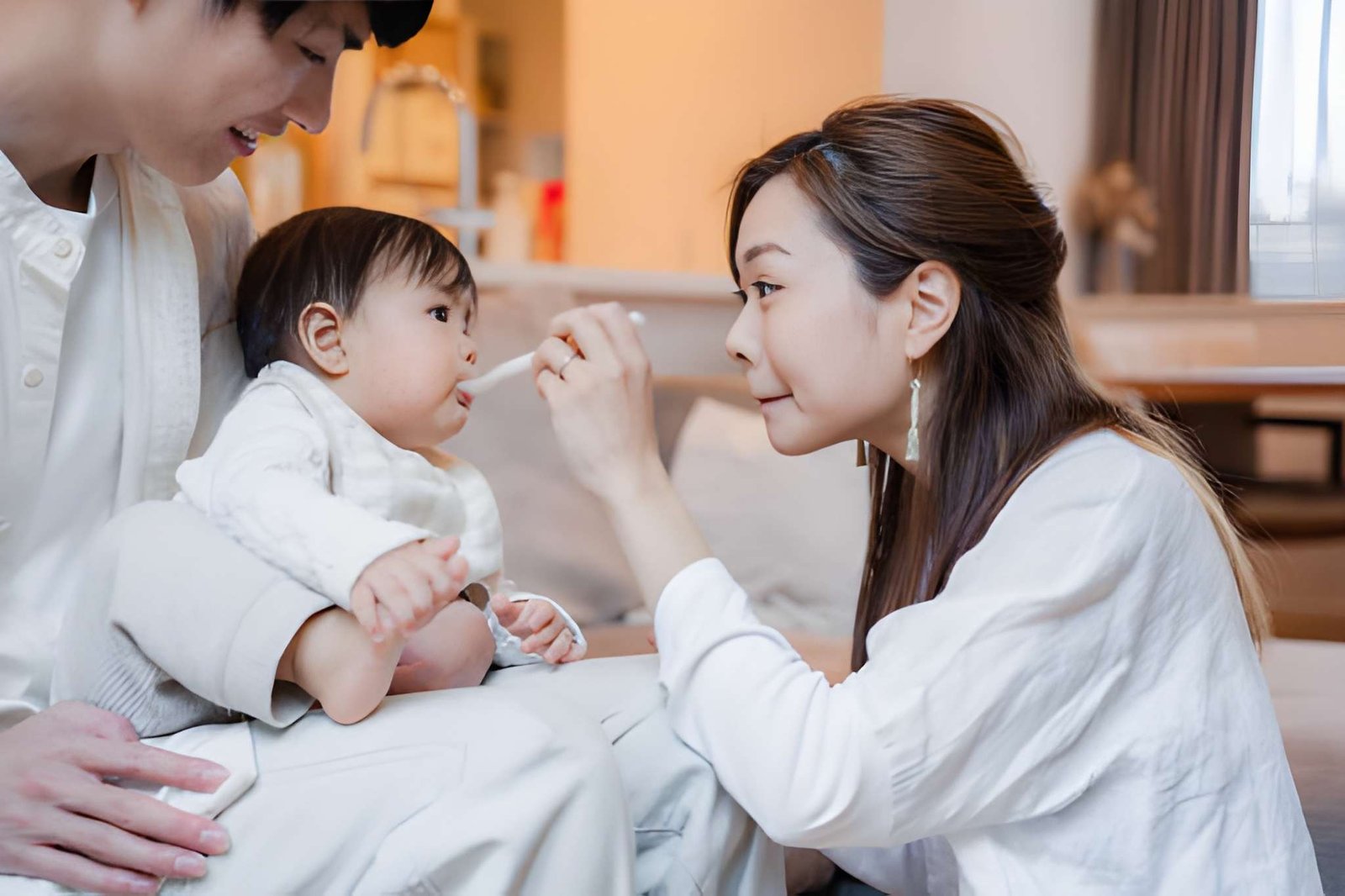
Finding a doula is about much more than finding someone who is available around your due date.
For many families, language and cultural understanding are just as important as experience.
Los Angeles is home to a large and vibrant Korean American community, including families throughout Koreatown, the San Fernando Valley, the South Bay, and nearby areas of Orange County. For Korean families preparing for pregnancy, birth, and postpartum recovery, working with a Korean-speaking doula can make the experience feel significantly more comfortable and familiar.
At Fox & Cub Family Wellness, language and cultural preferences can be included as part of our free doula matchmaking process.
If speaking Korean is important to you or your family, let us know when you reach out so we can prioritize that when looking for available matches.
Why Find a Korean-Speaking Doula?
Even when someone is fluent in English, pregnancy and birth can bring situations where communicating in a first language simply feels easier.
During labor especially, you may be tired, emotional, uncomfortable, or trying to focus through contractions.
Having a doula who can communicate with you in Korean may provide an additional level of reassurance and familiarity.
A Korean-speaking doula may also be able to communicate more comfortably with:
- Parents
- In-laws
- Grandparents
- Partners
- Extended family members
This can be especially valuable when multiple generations are involved in pregnancy and postpartum care.
Language and Cultural Understanding
Language is only one piece of the relationship.
For some Korean American families, traditions surrounding pregnancy and postpartum recovery are an important part of the experience.
A doula who is familiar with Korean culture may better understand conversations surrounding:
- Sanhujori
- Postpartum rest
- Warm foods
- Family involvement
- Grandparent expectations
- Feeding
- Recovery
- Visitors
- Household roles after the baby arrives
Of course, not every Korean family follows the same traditions.
A culturally aware doula should never assume what your family wants.
Instead, she should ask what matters to you and help support those preferences.
What Is Sanhujori?
Sanhujori is the traditional Korean postpartum recovery period.
The exact traditions vary from family to family, but the overall focus is often on allowing the mother to rest and recover after childbirth.
This may include:
- Prioritizing rest
- Eating nourishing warm foods
- Avoiding unnecessary physical strain
- Receiving help from family
- Limiting exposure to cold
- Giving the new mother time to recover while others help with daily responsibilities
Some families follow sanhujori very traditionally.
Others incorporate only certain elements.
Some may not follow it at all.
Your postpartum doula’s job is not to tell you how your recovery should look. Her job is to understand how you want it to look and support you accordingly.
Supporting Multigenerational Families
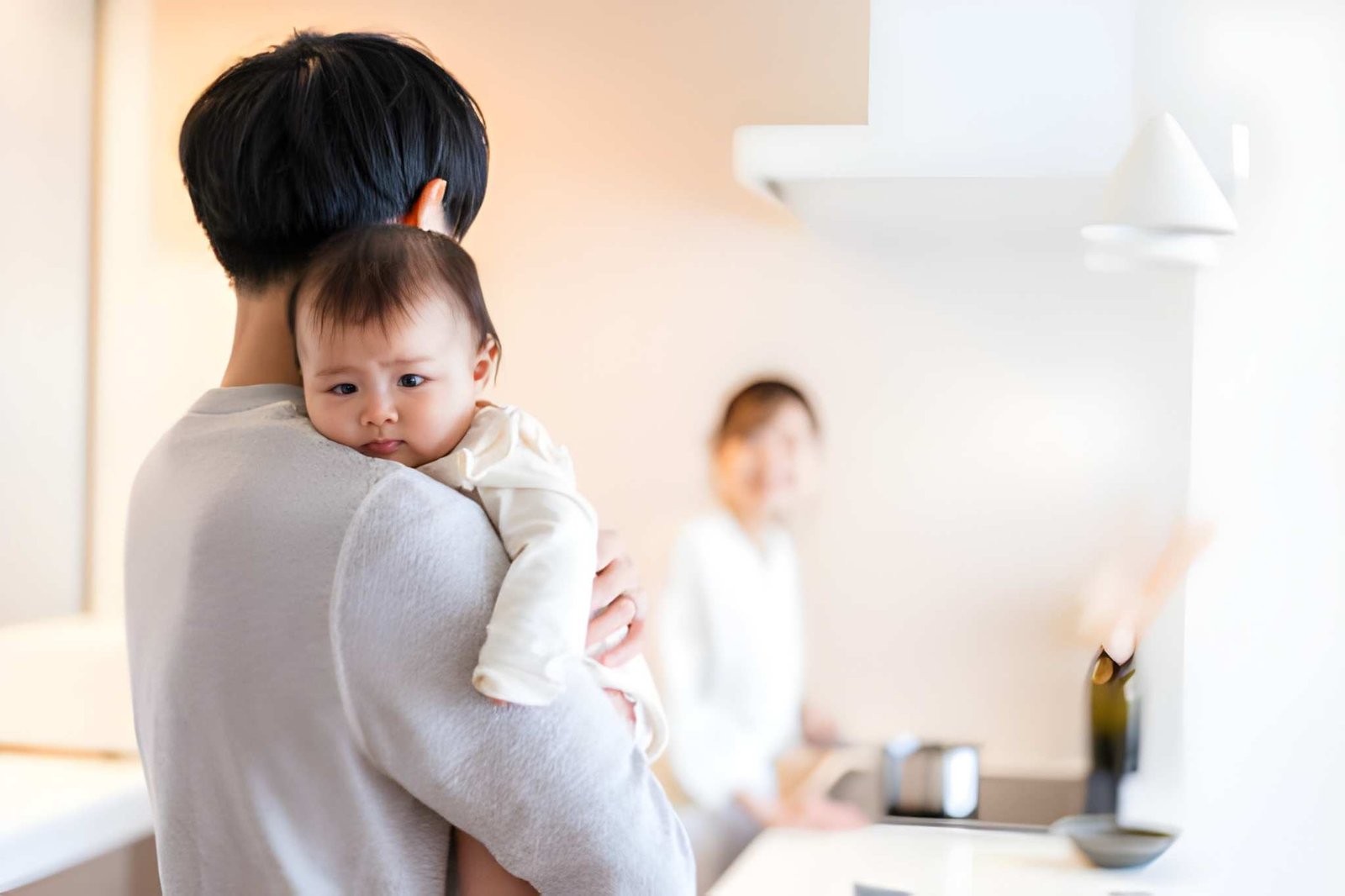
It is common for parents or in-laws to play an active role after a baby arrives.
That can be a wonderful source of support.
It can also occasionally create differences in expectations between generations.
Grandparents may have strong beliefs about:
- Feeding
- Holding the baby
- Sleep
- Bathing
- Postpartum food
- Visitors
- Maternal recovery
- How newborn care should be handled
A Korean-speaking doula may be able to communicate naturally with older family members while still keeping the new parents’ preferences at the center of care.
The goal is not to replace the family’s support system.
It is to become another supportive member of it.
A Doula Is Not a Medical Interpreter
It is important to understand the difference between language-matched doula care and medical interpretation.
Even when your doula speaks Korean and English, she should not replace a qualified medical interpreter when interpretation of clinical information is required.
Hospitals can provide medical interpretation services when needed.
Your doula’s role is different.
She can communicate with you in your preferred language while providing non-medical:
- Physical support
- Emotional support
- Education
- Comfort measures
- Birth preparation
- Partner support
- Postpartum support
Professional medical interpretation should still be used for medical discussions when appropriate.
Korean-Speaking Birth Doula Support
A Korean-speaking birth doula can support you throughout pregnancy and labor.
Before birth, prenatal visits may include conversations about:
- Your previous birth experiences
- Concerns about labor
- Birth preferences
- Family involvement
- Cultural traditions
- Comfort measures
- Hospital expectations
- Postpartum plans
When labor begins, your doula can provide continuous support.
That may include:
- Massage
- Counterpressure
- Position changes
- Breathing techniques
- Relaxation
- Encouragement
- Emotional reassurance
- Partner support
- Helping you understand what is happening throughout labor
You can receive doula support whether you are hoping for an unmedicated birth, planning an epidural, being induced, planning a C-section, or simply want another experienced support person with you.
Korean-Speaking Postpartum Doula Support
For many families, language matching becomes especially meaningful after the baby arrives.
A postpartum doula may spend hours at a time in your home and become closely involved in your family’s early newborn routine.
Postpartum support may include:
- Newborn care education
- Feeding support
- Bottle preparation
- Washing bottles or pump parts
- Newborn soothing
- Helping parents understand newborn cues
- Supporting maternal recovery
- Meal preparation
- Light baby-related household tasks
- Helping parents rest
- Overnight newborn support
When your doula speaks the same language as you or other members of your household, the experience may feel much more natural.
Overnight Postpartum Doulas
Overnight support can be particularly valuable during the first several weeks or months with a newborn.
Depending on your feeding plan, an overnight doula may:
- Respond when your baby wakes
- Change diapers
- Bottle feed
- Bring the baby to you for breastfeeding
- Burp and soothe your baby
- Settle your baby back to sleep
- Wash bottles and pump parts
- Help you get longer periods of rest
For families practicing elements of sanhujori, overnight help may also support the overall goal of protecting the recovering parent’s rest.
Where Do Korean-Speaking Doulas Serve in Los Angeles?
Availability varies, but families may look for Korean-speaking doulas throughout areas such as:
- Koreatown
- Downtown Los Angeles
- Mid-Wilshire
- Hancock Park
- Glendale
- Pasadena
- Northridge
- Reseda
- Tarzana
- Granada Hills
- Torrance
- Gardena
- South Bay
- Buena Park
- Fullerton
- Cypress
- Nearby Orange County communities
Your doula does not necessarily need to live in your exact neighborhood.
Many birth and postpartum doulas travel throughout Los Angeles County and surrounding areas.
Can My Doula Attend My Hospital Birth?
In most cases, yes, subject to the hospital’s current visitor and support-person policies.
Doulas regularly support families giving birth in hospitals throughout the Los Angeles area.
When interviewing matches, you can ask about their experience supporting births at your particular hospital.
However, hospital familiarity is only one factor.
The most important thing is finding someone whose personality, experience, communication style, and approach make you feel supported.
Can Insurance Cover a Korean-Speaking Doula?
Potentially, yes.
Your language does not determine whether you qualify for an insurance doula benefit.
Eligible California Medi-Cal members can receive covered doula services, and some commercial insurance plans also offer doula benefits.
Kaiser members may also have coverage depending on their specific plan and eligibility.
Insurance requirements differ by plan, so benefits should be verified before services begin.
Fox & Cub works with both insurance-covered families and families seeking private-pay support.
What if I Speak English but My Parents Speak Korean?
You may still want to prioritize a Korean-speaking doula.
In many families, grandparents are deeply involved during postpartum recovery.
If your mother or mother-in-law primarily speaks Korean, having a doula who can communicate with her directly can make the household dynamic much easier.
It allows your doula to build relationships with the entire support system rather than relying on you to constantly translate.
What if I Don’t Follow Traditional Korean Postpartum Practices?
That is completely fine.
Choosing a Korean-speaking doula does not mean you have to follow sanhujori or any other specific tradition.
Cultural understanding should give you more choices, not fewer.
Your doula should support your family’s actual preferences rather than imposing cultural expectations.
How Fox & Cub Matches Families
Fox & Cub Family Wellness provides free doula matchmaking for families throughout Southern California.
When you contact us, tell us about:
- Your location
- Estimated due date or baby’s age
- Whether you want birth or postpartum support
- Daytime or overnight needs
- Insurance
- Preferred language
- Cultural preferences
- Personality preferences
- Any specific experience you would like your doula to have
We then look for doulas from our network who may meet those needs.
Because Korean-speaking doula availability can be more limited than general availability, reaching out earlier in pregnancy may provide more options.
Find a Korean-Speaking Doula in Los Angeles
Your pregnancy and postpartum experience should feel supportive, personal, and comfortable.
For some families, that means finding a doula who speaks Korean and understands the cultural traditions that are meaningful to them.
Fox & Cub Family Wellness can help you begin that search.
Looking for a Korean-speaking birth or postpartum doula in Los Angeles?
Contact Fox & Cub Family Wellness and let us know that Korean-language support is important to your family. We will use that preference when identifying available doula matches in your area.