

One of the most common questions new parents have is:
“When should I start pumping?”
Between breastfeeding, bottle feeding, returning to work, and wanting support from a partner or caregiver, it can feel overwhelming trying to decide what approach is best.
At Fox & Cub Family Wellness, we encourage families to focus first on establishing a comfortable and consistent feeding relationship before introducing additional pumping whenever possible.
For families who are exclusively breastfeeding, many lactation professionals recommend waiting until around 4 weeks postpartum before regularly introducing pumping or bottles, unless there is a medical or feeding reason to start earlier.
Families across the San Francisco Bay Area, Los Angeles, Orange County, San Diego, and throughout the United States often find that taking a slower, more supportive approach helps breastfeeding feel more manageable in the early weeks.
Why Waiting Around 4 Weeks Can Be Helpful
In the first few weeks after birth, your body and your baby are learning how to breastfeed together.
During this time:
- Milk supply is regulating
- Baby is learning how to latch and transfer milk efficiently
- Your body is responding to your baby’s feeding patterns
Adding pumping too early can sometimes:
- Create oversupply
- Lead to additional stress or pressure
- Make feeding feel more overwhelming
Waiting until breastfeeding feels more established often helps create a smoother transition when introducing pumping later on.
What If You Need to Pump Earlier?
There are situations where earlier pumping may be recommended, including:
- Premature birth
- Latch difficulties
- Milk transfer concerns
- Low milk supply
- Medical separation between parent and baby
In these situations, working with a lactation professional can help guide the process.
How to Introduce Pumping Around 4 Weeks
Once breastfeeding feels more established, many families choose to begin pumping to:
- Build a small milk stash
- Allow a partner or caregiver to occasionally give a bottle
- Prepare for future separation or work
A gentle way to begin is:
- Nurse your baby first as usual
- After the feeding is complete, place the pump on
- Pump for about 10 minutes or less
- Then remove the pump
This approach helps avoid overstimulation while gradually collecting milk over time.
It’s Normal to Build a Stash Slowly
One of the biggest misconceptions about pumping is that you need a large freezer stash immediately.
In reality, it often takes time to build enough milk for even a single bottle in the beginning.
This is completely normal.
Small amounts collected consistently over time can gradually add up without creating unnecessary stress.
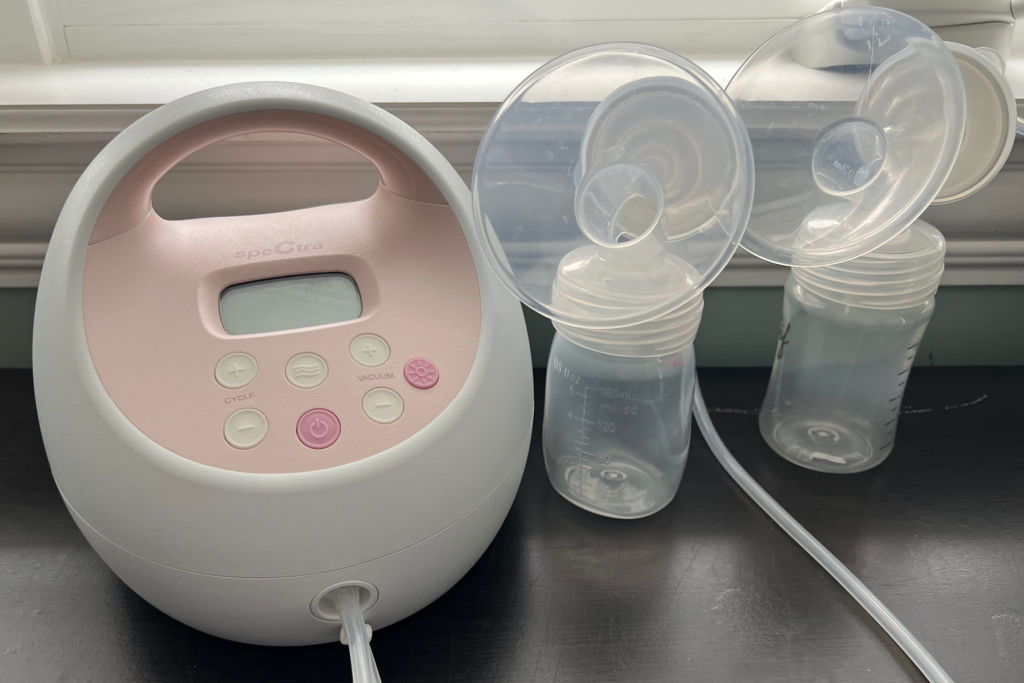
Introducing a Bottle While Breastfeeding
Once breastfeeding is well established, many families choose to offer:
- One occasional bottle per day
- A bottle every few days
- Or simply practice periodically for flexibility
Having another caregiver occasionally help with feeds can:
- Give the breastfeeding parent additional rest
- Help baby become comfortable with both feeding methods
- Offer more flexibility for appointments or short outings
Supplementing While Building a Milk Stash
Some families choose to supplement temporarily while building a freezer stash or transitioning into pumping.
There are many reasons families may choose supplementation, and every feeding journey looks different.
For families looking into formula options, some prefer goat milk-based formulas because goat milk is often considered easier for some babies to digest compared to traditional cow’s milk formulas.
Two brands many families explore include:
- Holle Bio
- Kabrita
These formulas are popular among some families looking for goat milk-based options.
As always, it’s important to discuss feeding decisions and formula choices with your pediatric provider.
Supporting Breastfeeding Without Pressure
Breastfeeding and pumping do not need to look perfect to be successful.
Some families:
- Exclusively breastfeed
- Combination feed
- Pump occasionally
- Supplement when needed
There is no single “right” path—what matters most is finding a feeding approach that supports both baby and parent.

Lactation Support Across California and Nationwide
Families looking for breastfeeding and pumping support can connect with lactation professionals across:
- The San Francisco Bay Area
- Los Angeles, Orange County, San Diego
- And virtually throughout the United States
Support can include:
- Latch guidance
- Pumping support
- Bottle introduction guidance
- Milk supply concerns
- Feeding plans tailored to your goals
Finding a Feeding Rhythm That Works for Your Family
The early weeks of feeding can feel overwhelming, especially with so much conflicting information online.
Taking a slower, supportive approach—focusing first on feeding at the breast, introducing pumping gradually, and building a stash over time—can help many families feel more confident and less stressed during the postpartum period.